3D MODAL MEASUREMENT ยท VP-MVM-1600

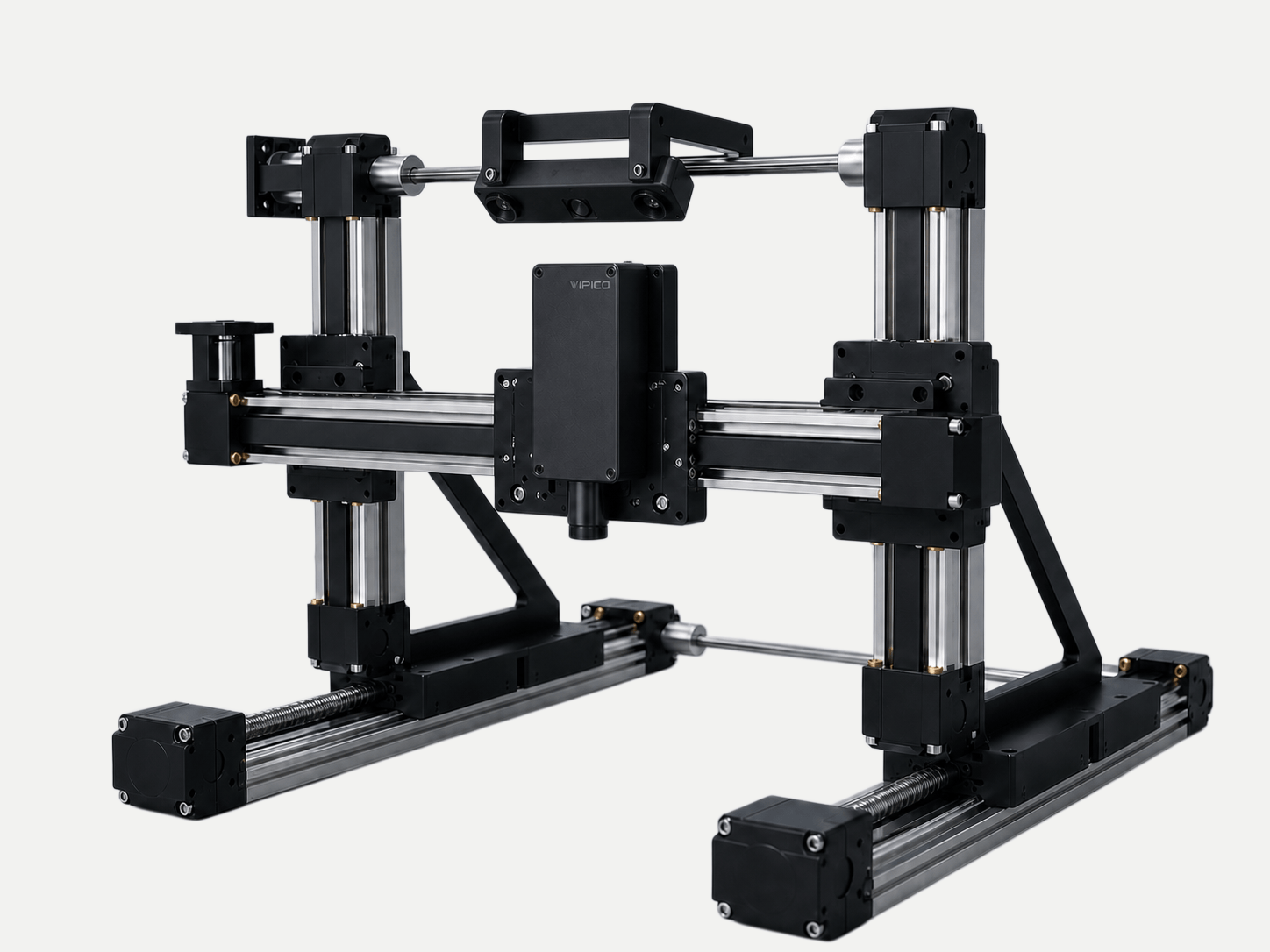
Gantry 3D Scanning Laser Vibrometer System

Non-contact, multi-channel, high-density three-dimensional vibration measurement and modal analysis for laboratory and industrial structures.

VIPICO gantry 3D scanning laser vibrometer system

Capabilities and Intended Tasks

The following information supports preliminary system discussions. Final performance and interfaces depend on the selected configuration and technical agreement.

High-density measurement grids

Structured scanning for dense spatial response mapping.

Wideband response

Supports structural-dynamics testing across the agreed measurement bandwidth.

Integrated analysis

Measurement, review and modal analysis are organized in one workflow.

Rapid modal identification

Designed for efficient frequency, damping and mode-shape evaluation.

Typical Applications

  • Automotive component and bench testing
  • Aerospace structures and blades
  • University and research laboratories
  • Precision parts and complex assemblies
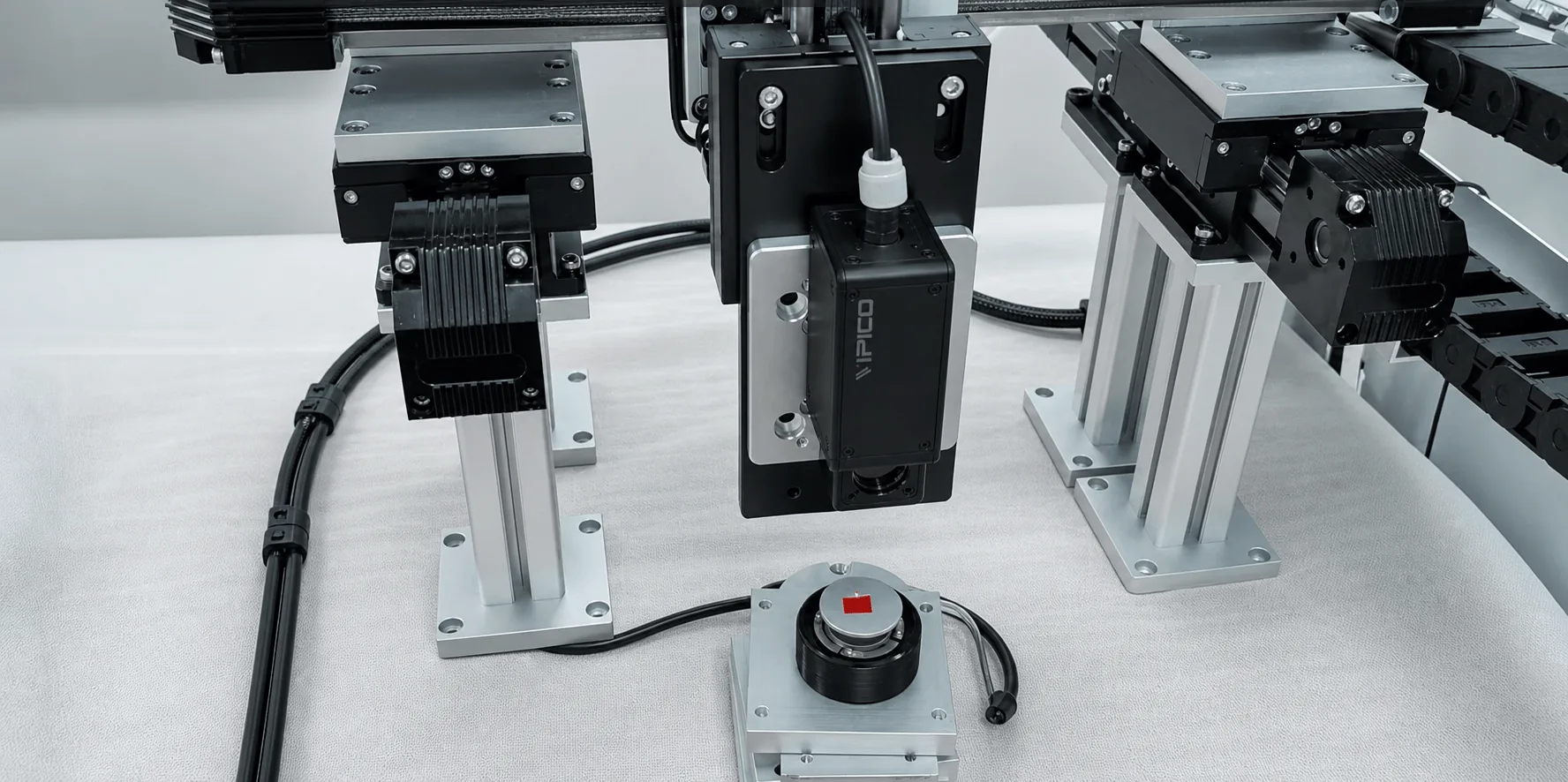
Gantry three-dimensional laser vibration measurement setup

Public Configuration Information

Configuration itemCurrent public informationNotes
ModelVP-MVM-1600Current published model.
Product typeGantry 3D scanning laser vibrometer systemFor non-contact three-dimensional vibration response scanning.
Measurement methodNon-contact laser vibrometry and scanning measurementReduces the added-mass influence of contact sensors.
Measurement dimensionThree-dimensional vibration responseFor spatial structural vibration characterization.
Core tasksHigh-density points, synchronous vibration measurement and modal analysisFor R&D validation and structural-dynamics testing.
Operating environmentLaboratory and industrial sitesSelection depends on object, distance and site boundaries.
Numerical specificationsDefined by formal technical documentation or project agreementThe webpage does not replace final delivery parameters.

This table summarizes information currently published by VIPICO for preliminary selection. Numerical range, bandwidth, working distance, channel count, accuracy and interfaces are governed by the final technical documentation or agreed project specification.

Define the object, distance, frequency range and required output.

Related solution paths include Automotive R&D, Aerospace and Industrial Equipment. See Technology and Resources for methods and application guidance.

Scroll to Top