INDUSTRY SOLUTION

Research and Laboratory Modal Testing

Traceable non-contact vibration and modal measurement for method development, materials research, algorithm validation and teaching.

Automated natural frequency and damping measurement analysis

Modal Measurement, Algorithm Validation and Laboratory Instruction

Research and university laboratories need repeatability, traceable parameters and explainable methods. Non-contact laser vibrometry reduces sensor added-mass effects and combines dense spatial response data with structural modal analysis for micro-components, thin-wall structures, material samples and complex specimens.

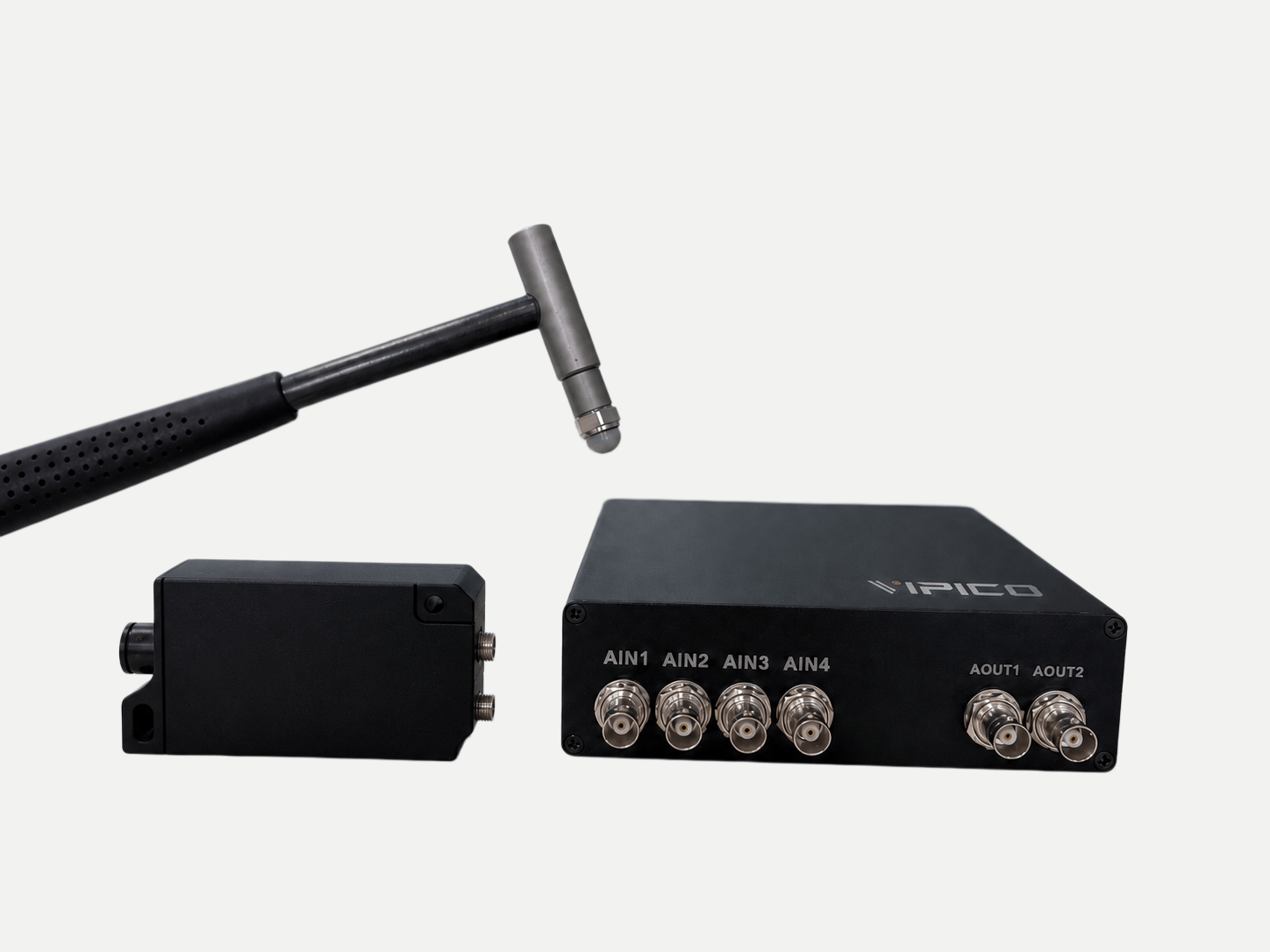
Typical Measurement Tasks

01

Experimentally identify natural frequency, damping, mode shapes and frequency response.

02

Compare ODS, OMA and EMA methods and validate analysis algorithms.

03

Correlate experimental data with finite-element frequency, mode shapes and MAC.

Recommended Products and Configuration Logic

Use the Gimbal Scanning Laser Vibrometer for dense or remote scans; the Multi-Channel Synchronous Laser Vibrometer for non-stationary or reference-channel tasks; and the workflow in Technology for calibration, review, identification and mode-shape visualization.

Suggested Test Workflow

  1. Define the research question, boundary conditions, excitation type, coordinates and acceptance metrics.
  2. Store instrument configuration, sampling settings, units, point model and raw data.
  3. Use repeated tests, stabilization diagrams, MAC or other consistency metrics to validate modal results.
  4. Distinguish measured, fitted and simulated values and document algorithms, conditions and uncertainty sources.
Scroll to Top