
CORE TECHNOLOGY

Turning Complex Measurements into Clear Results

VIPICO connects automated scanning, non-contact laser Doppler vibrometry and structural-dynamics analysis in one traceable measurement workflow.

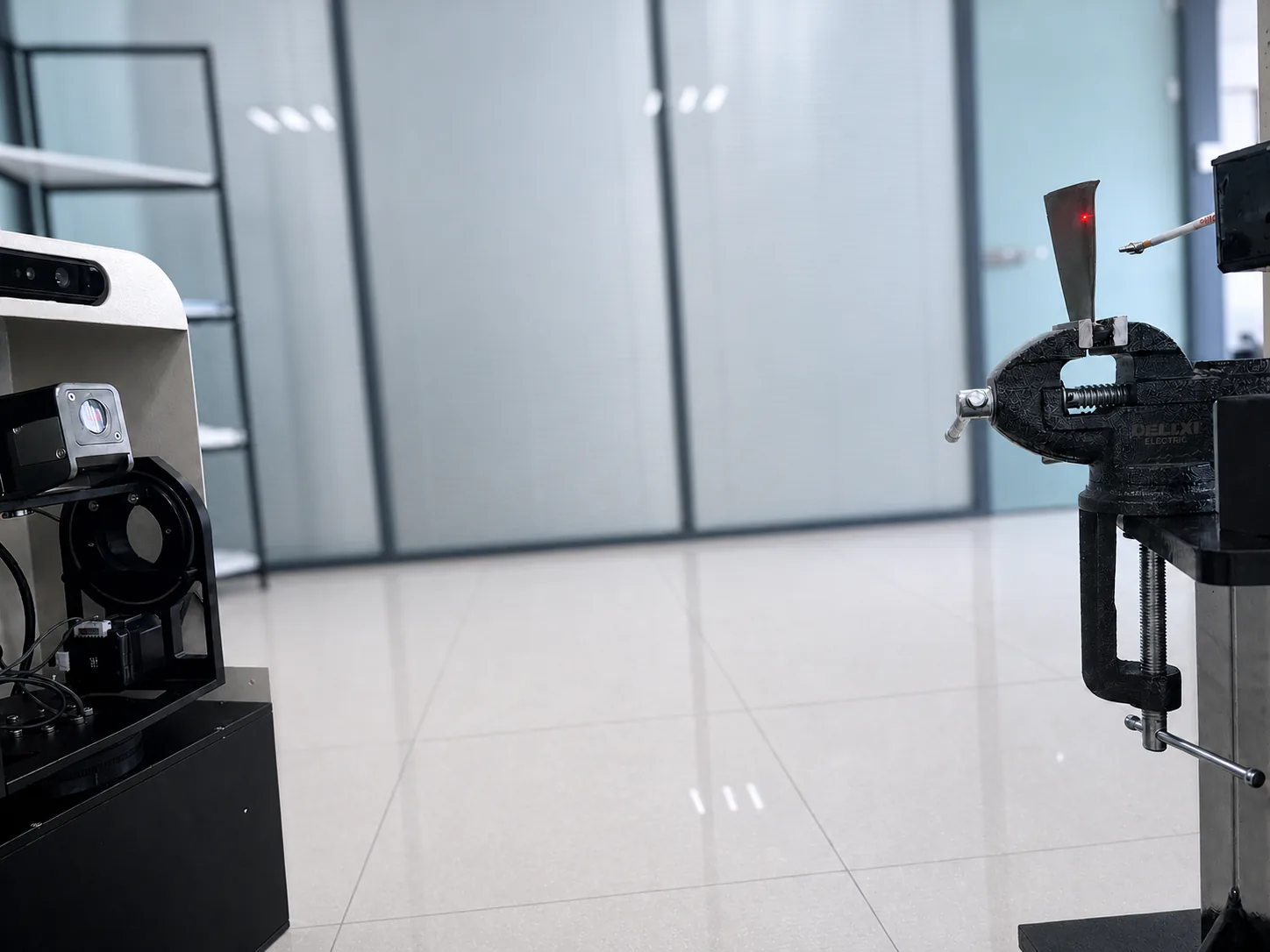
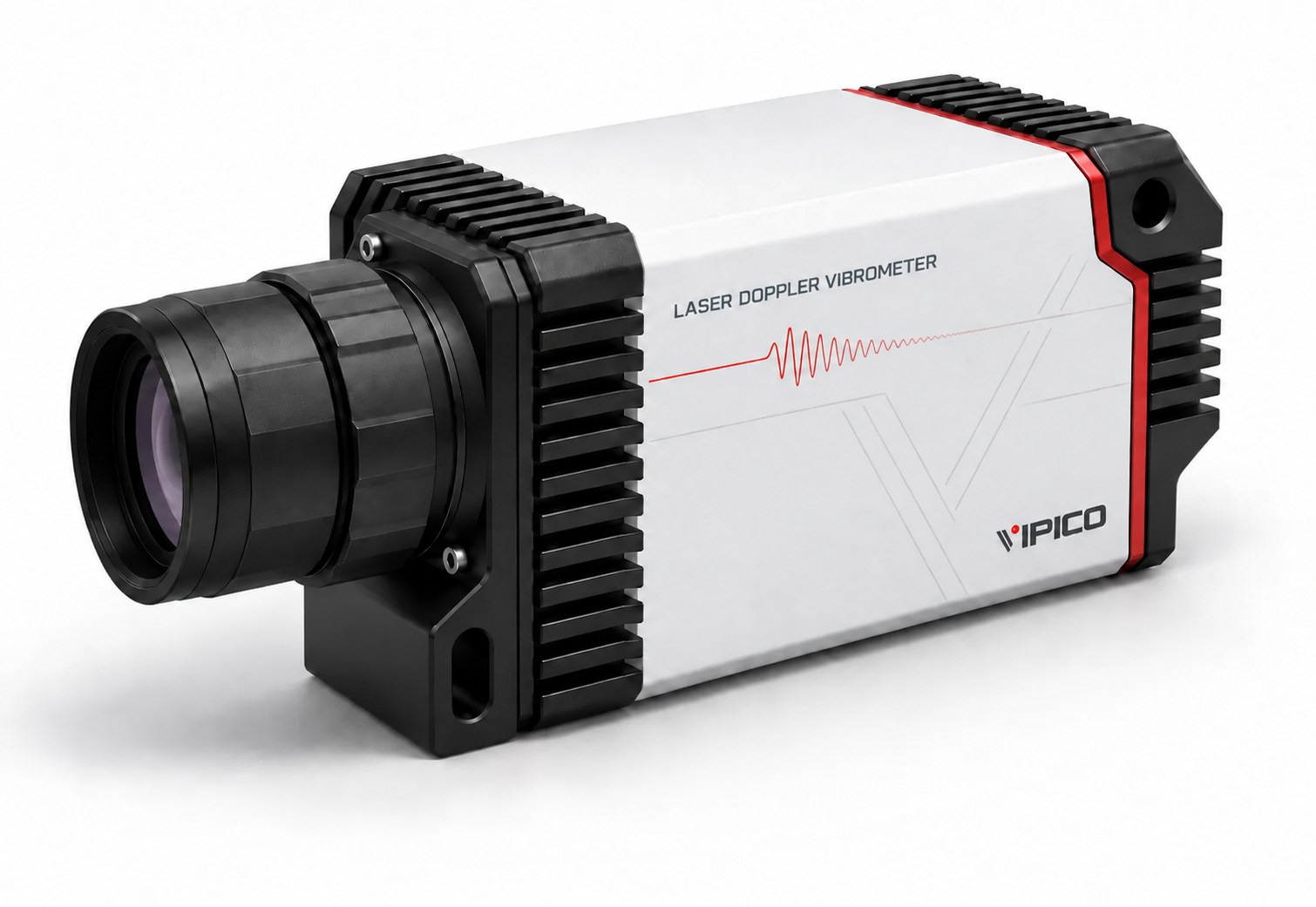
VIPICO automated scanning laser vibrometry and modal analysis technology

MEASUREMENT PRINCIPLES

A Complete Chain from Measurement Planning to Modal Insight

Each technology addresses a distinct source of uncertainty: where to measure, how to acquire the response without mass loading, and how to turn multi-point data into an engineering decision.

01

Automated Scanning

Gimbal-based point planning links every measurement position to its response data. It reduces repetitive setup and supports dense grids, large structures and remote targets.

02

Non-Contact Laser Vibrometry

Laser Doppler measurement avoids sensor mass loading and is well suited to lightweight, miniature, hot, rotating or difficult-to-access structures.

03

Structural Modal Visualization

Multi-point responses are processed into natural frequencies, damping estimates and mode shapes for design validation, troubleshooting and model correlation.

ENGINEERING WORKFLOW

Plan, Acquire, Review and Analyze

01

Define the Task

Specify the target, stand-off distance, frequency range, expected vibration level, environment and required deliverables.

02

Plan the Grid

Map the field of view, define points and establish a repeatable coordinate relationship between geometry and response.

03

Acquire and Review

Capture vibration data, monitor signal quality and retain the measurement context needed for traceability.

04

Interpret the Result

Generate spectra, ODS or modal results and relate them to test conditions, acceptance criteria and engineering decisions.

TECHNICAL FAQ

Frequently Asked Questions

What is laser vibrometry best suited for?

It is ideal when velocity, displacement or vibration response must be measured without touching the target—particularly for lightweight, miniature, hot, rotating or inaccessible structures.

How does a scanning vibrometer differ from a single-point instrument?

A single-point instrument measures one location at a time. A scanning system follows a defined point plan, associates each response with its position and can reconstruct operating deflection shapes or modal behavior.

What information is needed for system selection?

Provide the target type, working distance, frequency range, vibration magnitude, environmental constraints and the result format you need. These inputs determine the optical, acquisition and analysis configuration.

Start with a Clearly Defined Measurement Task

Tell us the target, distance, frequency range and expected output. Our engineers will recommend a suitable measurement path.

Scroll to Top